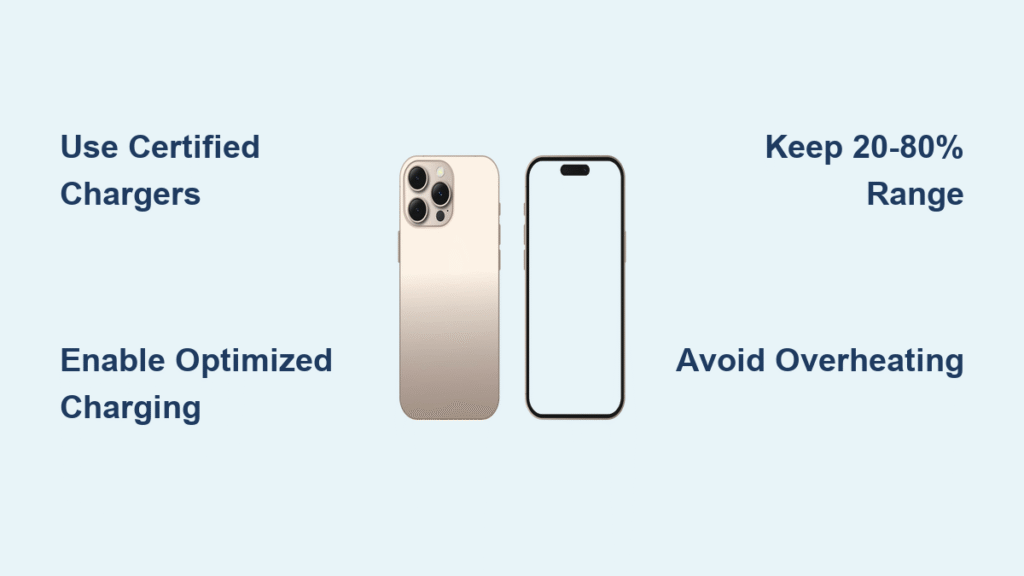

Your iPhone 16’s USB-C charging system works differently from previous Lightning models, and knowing exactly how to use iPhone 16 charger components properly saves you time while maximizing battery health. Whether you’re upgrading from an older iPhone or switching from Android, this guide delivers the precise steps to charge faster, extend battery life, and avoid common pitfalls with your new device.
Unlike previous models, the iPhone 16’s universal USB-C port charges in any orientation and supports significantly faster speeds. You’ll discover which adapters actually deliver promised speeds, how to position your phone for optimal wireless charging, and why your old 5W iPhone charger won’t cut it anymore. Let’s transform you from confused to confident with your new charging setup.
Locate and Connect Your USB-C Port Correctly
Positioning Matters for Maximum Connection
The USB-C port sits centered at the bottom edge of your iPhone 16—no more guessing which way the connector faces. Unlike Lightning ports that required precise alignment, USB-C works with either orientation, eliminating the “flip it three times” frustration. When inserting your cable, apply gentle pressure until you feel a subtle click confirming full connection. Look for the charging icon in the top-right corner within seconds; if it doesn’t appear immediately, check for lint buildup in the port, a common issue after years of Lightning use.
Identify Your Included Charger Components
Apple ships every iPhone 16 with a white 1-meter USB-C to USB-C cable featuring identical connectors on both ends. This cable handles three critical functions: charging your device up to 27W (standard models) or 40W (Pro models), transferring data at USB 3.1 speeds, and outputting 4K video to compatible displays. Check the cable’s packaging for the “USB-IF Certified” logo to verify it meets safety standards—counterfeit cables can damage your device and void warranty coverage.
Achieve Fastest Wired Charging in 4 Simple Steps
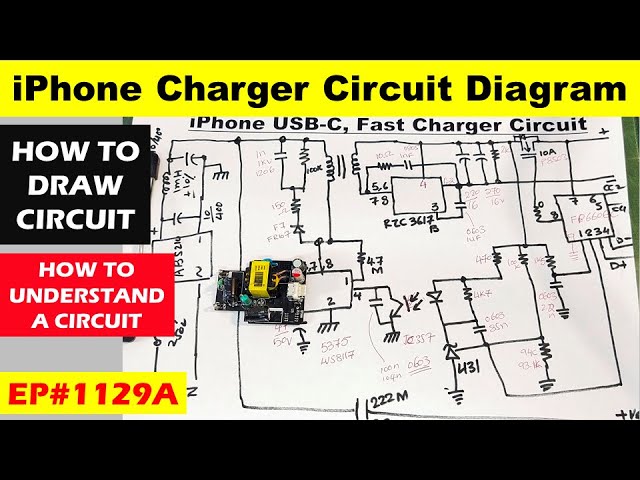
Proper Connection Sequence for Maximum Speed
- Plug adapter first into your wall outlet before connecting cables
- Connect cable to adapter ensuring full insertion with audible click
- Attach to iPhone 16 with gentle but firm pressure
- Verify charging status by checking for lightning bolt icon next to battery percentage
Match Adapter Wattage to Your iPhone 16 Model
Standard iPhone 16/16 Plus:
– Minimum requirement: 20W USB-C adapter (0-50% in 30 minutes)
– Maximum utilization: 27W peak charging capability
– Avoid using: Older 5W iPhone chargers (extremely slow) or non-PD adapters
Pro iPhone 16 Pro/16 Pro Max:
– Minimum requirement: 20W USB-C adapter
– Optimal performance: 40W adapter (0-50% in 15-16 minutes)
– Future-proof investment: 45W+ adapters work with next year’s models
Pro tip: Third-party adapters like Anker’s Nano II 45W deliver full iPhone 16 Pro charging speeds at half the price of Apple’s equivalent, with compact designs that won’t block adjacent outlets.
Optimize Wireless MagSafe Charging Performance
Position Your iPhone for 20W Wireless Speeds
Your iPhone 16 supports 20W MagSafe charging—33% faster than previous models—but only when positioned perfectly. Connect your MagSafe charger to a 20W+ USB-C adapter (included 5W bricks won’t deliver fast charging), then place your iPhone back against the charger. Feel for the magnetic “snap” that confirms alignment, and watch for the charging animation on your lock screen. If you see “Slow Charging,” rotate your phone slightly—even a 2mm misalignment can reduce speeds by 50%.
Choose Third-Party Options That Actually Deliver Speeds
Not all MagSafe-compatible chargers deliver Apple’s promised 20W speeds. Look for these certified options that work reliably with your iPhone 16:
- Anker MagGo 3-in-1 Cube: Charges iPhone, Watch, and AirPods simultaneously with 20W output
- Belkin BoostCharge Pro: Features active cooling to maintain full speed during extended sessions
- MagSafe car mounts: Combine navigation and 15W charging (slightly reduced speed in vehicles)
Warning: Avoid cheap magnetic chargers without MFi certification—they often overheat and damage battery health over time.
Boost Charging Speeds with These Settings Tweaks

Activate Hidden Fast Charging Features
Navigate to Settings > Battery > Battery Health & Charging to unlock critical speed optimizations:
- Toggle “Optimized Battery Charging” to learn your routine and reduce battery aging
- Enable “Low Power Mode” before critical meetings for maximum battery conservation
- Disable “Background App Refresh” for non-essential apps like social media
Eliminate 4 Background Processes That Slow Charging
These often-overlooked settings can reduce your charging speed by up to 40%:
- Location Services: Disable for apps like Facebook that don’t need constant tracking
- Push Email: Change to “Fetch” every 30 minutes instead of instant delivery
- Bluetooth: Turn off when not actively using wireless headphones
- Auto-Brightness: Manually set to minimum while charging for fastest speeds
Troubleshoot Charging Problems in Under 2 Minutes

Fix “Not Charging” Issues Immediately
When your iPhone 16 won’t charge, follow this quick diagnostic sequence:
- Check cable connections at both ends—USB-C can feel loose but still work
- Test with different outlet—some wall sockets have tripped breakers
- Inspect port with flashlight—use a toothpick to gently remove lint buildup
- Try different adapter—faulty chargers are more common than defective phones
Diagnose Slow Charging Causes
If your iPhone 16 charges slower than expected:
- Adapter mismatch: Standard models need 20W+, Pro models need 40W for max speed
- Case interference: Remove thick cases during wireless charging sessions
- Temperature issues: Charging slows when phone exceeds 95°F (35°C)
- Background activity: Close streaming apps and games while charging
Extend Your iPhone 16 Battery Lifespan by 2+ Years
Daily Charging Habits That Make the Biggest Difference
- Maintain 20-80% charge range for daily use—avoid full 0-100% cycles
- Use Optimized Charging to prevent overnight overcharging
- Store at 50% charge if not using for extended periods
- Avoid charging in hot cars—temperatures above 95°F permanently damage capacity
Temperature Management That Most Users Ignore
Your iPhone 16 charges fastest and lasts longest between 32°F to 95°F (0°C to 35°C). If you see a temperature warning, unplug immediately and let the device cool. Never charge while gaming or using GPS navigation—these activities generate heat that triggers charging throttling. For hot environments, remove your case and place the phone on a cool surface during charging sessions.
Emergency Charging When Power Is Unavailable
Portable Solutions That Actually Work
When wall power isn’t an option, these reliable solutions keep your iPhone 16 powered:
- EcoFlow RIVER 3 Plus: Delivers 30W+ USB-C output for days of emergency charging
- MagSafe power banks: Snap-on magnetic charging without cables (5,000-10,000mAh)
- Solar charging kits: Pair with 45W solar panels for true off-grid capability
Pro tip: Keep a compact 10,000mAh power bank in your glove compartment—it fits in most cup holders and provides 2+ full iPhone 16 charges.
Compatibility Guide: What Works With Your Existing Gear
Keep These Accessories Without Upgrading
- iPhone 15 USB-C cables: 100% compatible with iPhone 16
- iPad USB-C adapters: Deliver full charging speeds
- USB-C power banks: Any 20W+ model works perfectly
Upgrade These Items Immediately
- iPhone 14 and earlier devices: Require USB-C to Lightning adapter ($19)
- Apple Watch chargers: Need new Magnetic Fast Charger to USB-C cable
- AirPods cases: Must have USB-C charging capability
Maintain Your Charger for Longest Lifespan
Cable Care Techniques That Prevent Breakage
- Unplug by the connector—never yank the cable itself
- Store loosely coiled—tight wraps damage internal wires
- Clean monthly with dry microfiber cloth to prevent corrosion
- Avoid sharp bends at connection points where failure usually occurs
Port Cleaning That Prevents Charging Failures
Lint buildup is the #1 cause of USB-C charging issues. Use a wooden toothpick or soft-bristled brush (never metal) to gently remove debris from port pins. Insert at a slight angle and twist—don’t force it deep into the port. Perform this cleaning monthly for optimal performance, especially if you carry your phone in pockets.
Future-Proof Your Charging Setup Today
Smart Adapter Investment Strategy
Buy 45W+ USB-C adapters now even if your current iPhone 16 only uses 27W or 40W. Next year’s models will likely support higher speeds, and these adapters work perfectly with your current device while preparing for future upgrades. A single high-quality adapter can charge your iPhone 16, iPad, MacBook Air, and even Nintendo Switch—maximizing your investment across all devices.
Mastering how to use iPhone 16 charger components properly transforms your daily experience from frustrating to seamless. Start with the included cable and adapter, then expand based on your specific needs—whether that’s wireless nightstands, travel multi-chargers, or emergency solar setups. By following these precise steps, you’ll maximize charging speed, extend battery lifespan, and avoid the most common pitfalls users face with Apple’s new USB-C transition. The flexibility Android users enjoyed for years is finally here for iPhone owners—use it wisely to get the most from your new device.