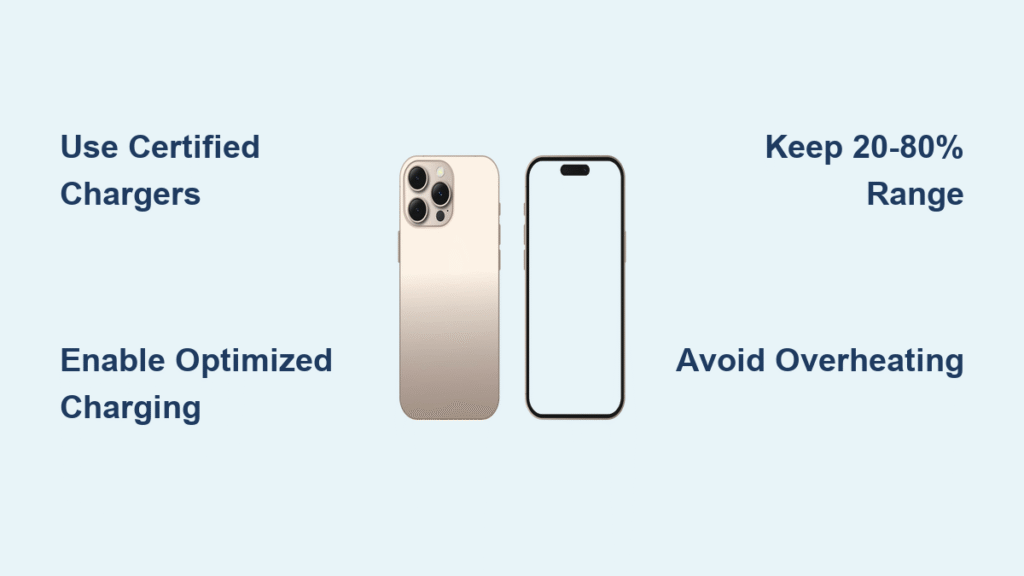

Your iPhone 16 battery vanishes faster than you expect when navigating through unfamiliar cities or streaming music on long drives. Between GPS, calls, and background apps, that full charge can drop to critical levels before you reach your destination. The good news is your iPhone 16 supports rapid charging that can restore 50% power in just 30 minutes—even while driving. This guide reveals exactly how to charge iPhone 16 in car safely and efficiently, whether you’re commuting daily or embarking on a road trip.
Find Your Car’s Fast Charging Capabilities
Don’t waste time plugging into ports that barely maintain your battery level. Your vehicle’s USB ports fall into two distinct categories with dramatically different charging speeds. Rectangular USB-A ports (common in vehicles built before 2020) typically deliver 5-12W—enough to prevent further battery drain but insufficient for true fast charging. Oval USB-C ports (standard in newer models) provide 20W+ output, unlocking your iPhone 16’s ability to charge from empty to half-full in half an hour.
Determine Your Port’s Actual Power Output
Skip the guesswork by testing your car’s USB ports directly with your iPhone 16. Plug in and check the charging indicator: a standard lightning bolt means slow charging (under 12W), while a bolder, larger lightning icon confirms fast charging (15W+). If nothing appears, your port likely only handles data transfer, not power delivery. For definitive results, use a USB power meter to measure exact wattage—anything below 18W won’t activate your iPhone 16’s fast-charging mode.
Install a 20W+ USB-C Car Charger for Maximum Speed
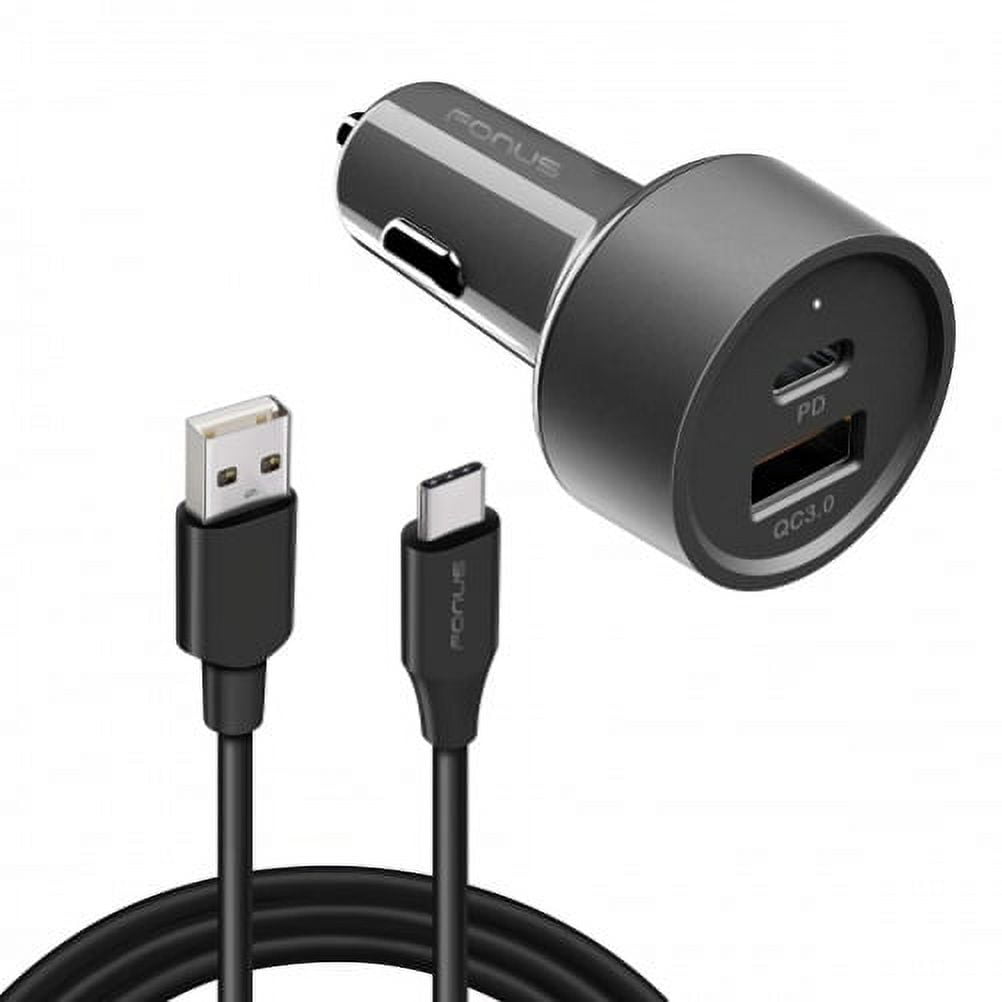
When your car’s built-in ports disappoint, a dedicated USB-C car charger transforms your auxiliary power outlet into a charging powerhouse. The right charger delivers consistent 20W+ output that activates your iPhone 16’s fast-charging capability—critical when you need power quickly between destinations.
Step-by-Step Car Charger Installation
- Select the proper charger – Choose one with USB-C Power Delivery (PD) labeled 20W minimum (30W is ideal for future-proofing)
- Grab essential accessories – Use a premium USB-C to USB-C cable (avoid cheap cables that limit power flow)
- Insert charger firmly – Push until you feel resistance to ensure solid electrical contact
- Connect your iPhone 16 – Plug the USB-C end into the charger and the other end into your phone
- Verify fast charging – Check for the bold lightning bolt icon and confirm battery percentage increases by 1-2% per minute
Pro tip: Position your phone in a mount immediately after connecting to prevent cable strain during turns—this reduces wear on both your charging port and cable.
Set Up MagSafe Wireless Charging for Cable-Free Convenience

MagSafe-compatible car mounts solve the cable clutter problem while keeping your iPhone 16 accessible for navigation. These magnetic mounts deliver 7.5-15W wireless charging—slower than wired but perfect for maintaining battery during daily commutes.
Fix Common MagSafe Charging Issues
Intermittent charging usually means poor alignment. Center your iPhone 16 precisely on the charging pad until you see the MagSafe animation. Charging stops completely often indicates incompatible accessories—remove cases thicker than 3mm or any metal plates that disrupt the magnetic field. Overheating warnings require immediate action: relocate your mount away from direct sunlight or use a dashboard shade during parking.
Deploy Portable Power Banks for Passenger-Friendly Charging
When auxiliary outlets are occupied or during carpool situations, portable power banks provide independent charging that works even when you step out of the vehicle. For iPhone 16 users, choose between two optimal solutions:
- Anker MagSafe Power Bank (5000mAh) – Attaches magnetically to your iPhone 16 for true wireless charging
- Belkin BoostCharge Pro (10000mAh) – Features integrated USB-C cable and enough capacity for 2-3 full iPhone charges
Strategic placement tip: Store your power bank in the center console where temperature remains stable—extreme heat or cold reduces battery efficiency by up to 30%.
Install Pure Sine Wave Power Inverters for Maximum Flexibility
Power inverters convert your car’s 12V DC power to standard 110V AC outlets, enabling use of your regular iPhone 16 wall charger. This solution shines when charging multiple devices simultaneously or when passengers need different charging formats.
Avoid Critical Inverter Mistakes
Never exceed your vehicle’s electrical capacity—most cars safely handle 120-180 watts. Check your owner’s manual for specifications before purchasing. Always choose pure sine wave inverters (not modified sine wave) for sensitive electronics like the iPhone 16 to prevent interference and potential damage. Position the inverter securely away from foot traffic and ensure cables don’t interfere with driving controls.
Prevent iPhone 16 Overheating During Summer Drives
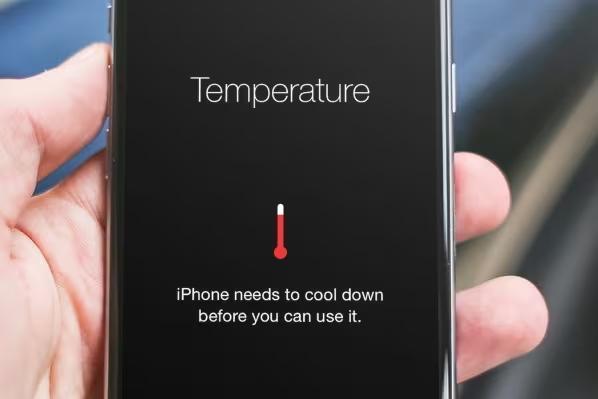
Direct sunlight through your windshield can push iPhone temperatures beyond safe charging limits, triggering automatic shutdowns. Implement these proven cooling strategies:
- Apply reflective dashboard covers before parking to reduce cabin temperature by 30°F+
- Position your phone away from direct sun exposure—center console charging stays cooler than dashboard mounts
- Direct AC vents toward your phone during hot weather to maintain optimal operating temperature
- Remove from wireless pads immediately if you receive “temperature too high” warnings
Critical warning: Never leave your iPhone 16 charging unattended in a parked car during summer—temperatures can exceed 140°F within 30 minutes, causing permanent battery damage.
Identify and Fix Slow Charging Problems
Your iPhone 16 charging slower than expected typically stems from these three culprits:
Diagnose Cable Limitations First
Cheap or damaged cables restrict power flow regardless of your charger’s capability. Replace your cable with Apple-certified USB-C to USB-C options—look for the “Made for iPhone” logo. Test with different cables before blaming your car’s electrical system.
Check Car Battery Health
A weak car battery causes voltage fluctuations that disrupt iPhone charging. Warning signs include: dimming headlights when charging starts, charging that only works with the engine running, or inconsistent power delivery. Have your car battery tested if you experience multiple electrical issues.
Avoid Resource-Intensive Activities
Gaming, video streaming, or using AR apps while charging generates heat that slows charging speed by up to 70%. For fastest results, minimize screen-on time and disable background apps during critical charging periods.
Match Charging Method to Your Driving Patterns
Your optimal iPhone 16 car charging solution depends entirely on your typical usage:
- Daily commuters (under 30 minutes): MagSafe wireless charging maintains battery without cable hassle
- Frequent road trippers: 30W+ car charger + 10000mAh power bank provides both speed and backup
- Ride-share drivers: Multi-port car charger handles your iPhone 16 plus passenger devices
- Winter drivers: Keep charging cables in the cabin (not trunk) to prevent cold-weather brittleness
Pro maintenance tip: Clean your iPhone 16 charging port monthly with a soft brush—dust buildup can reduce charging efficiency by up to 40%.
Final charging checklist: Always use USB-C for fastest results, verify fast-charging activation through the bold lightning icon, prevent overheating with strategic positioning, and replace cables showing fraying or stiffness. Your iPhone 16 deserves reliable power on the road—implement these methods to ensure you never face a dead battery mid-drive again. For extended trips, combine a high-wattage car charger with a fully charged power bank to create an unstoppable charging system that keeps your iPhone 16 powered through any journey.