

Your iPhone 16’s UDID and IMEI numbers are critical identifiers you’ll need for beta testing, warranty claims, or reporting a stolen device—but they’re frustratingly hidden when you need them most. Unlike older iPhone models, the iPhone 16 doesn’t display these codes prominently, and Apple’s documentation often assumes technical knowledge you might not have. Whether you’ve lost your original box or your screen is cracked, this guide delivers every proven method to locate both identifiers without visiting an Apple Store.
You’ll discover how to extract your 40-character UDID through Finder, Safari tricks, and developer shortcuts—plus the fastest ways to retrieve your 15-digit IMEI from settings, SIM tray, and even before setup completion. These methods work whether your iPhone 16 is activated, locked, or damaged, putting you in control when carriers, developers, or Apple Support demand these crucial codes.
Access IMEI Through Settings Instantly
The Settings app delivers the fastest IMEI retrieval when your iPhone 16 is operational. This method works even with a cracked screen as long as touch functionality remains intact—no computer required.
Copy IMEI Directly to Clipboard
- Open Settings on your iPhone 16
- Navigate to General → About
- Scroll down until you see IMEI listed
- Press and hold the number until options appear
- Select Copy to store it for carrier forms or theft reports
Pro tip: Paste the IMEI into Notes immediately to verify accuracy—this creates a backup if your screen fails during the process. The IMEI should show as a continuous 15-digit number with no spaces.
Verify Your IMEI Correctness
Double-check the copied number against these essential characteristics:
– Exactly 15 digits with no letters or symbols
– Starts with 35, 01, or 89 (standard iPhone prefixes)
– No repeating patterns (e.g., 11111 or 12345)
If your Settings shows “Unavailable,” immediately try the SIM tray method—this often works when software glitches hide the IMEI digitally.
Retrieve IMEI from SIM Tray Without Power
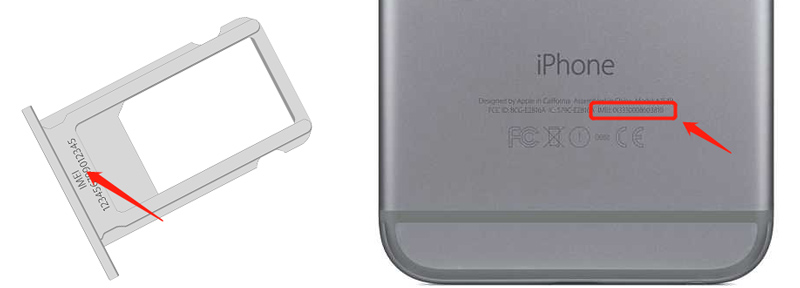
When your iPhone 16 won’t turn on or the screen is damaged, the SIM tray becomes your lifeline. Apple engraves the IMEI directly on the tray—a clever failsafe for emergency situations.
Extract and Read SIM Tray IMEI
- Locate the SIM tray on the left edge of your iPhone 16
- Insert the SIM ejection tool (or paperclip) into the pinhole
- Gently push until the tray releases
- Inspect the tray’s outer edge for the engraved IMEI
Critical note: iPhone 16 models don’t engrave IMEI on the back glass like older models—always check the SIM tray if digital methods fail. Take a clear photo of the tray with another device before reinserting it.
Get UDID Using Finder on Mac
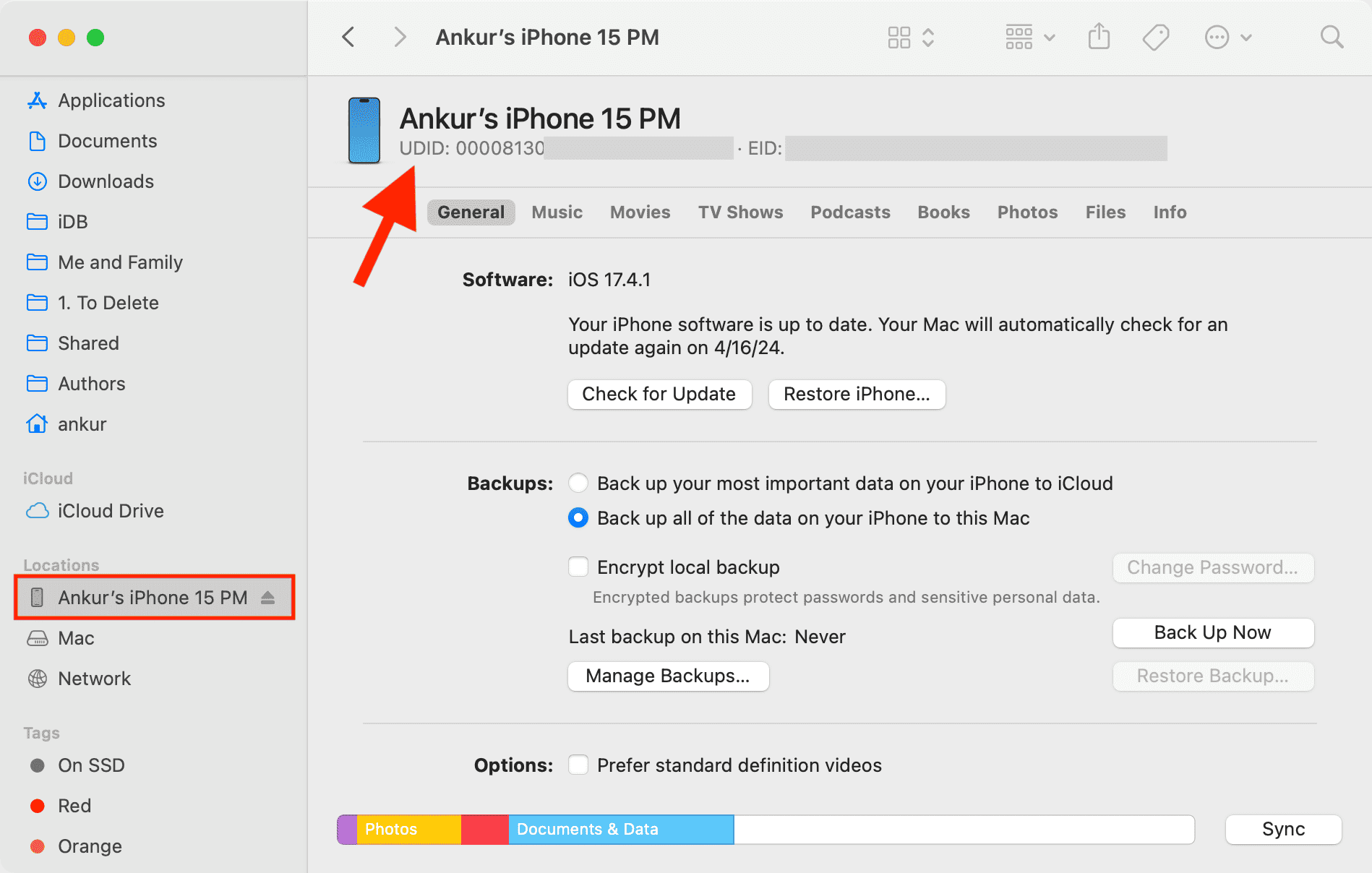
Your UDID remains invisible in iPhone settings—you must connect to a computer. Finder on macOS provides the most secure, reliable method without third-party risks.
Finder UDID Extraction Steps
- Connect iPhone 16 to Mac using USB-C cable
- Open Finder (blue face icon in Dock)
- Click your iPhone name under Locations in sidebar
- Click the storage text below device name (e.g., “85.2 GB of 256 GB available”)
- Each click cycles through: Serial → UDID → ECID → Model
- When UDID appears, right-click → Copy UDID
Visual cue: The UDID appears as 40 random characters—20 letters (A-F) and 20 numbers with no dashes. If it shows dashes or spaces, you’ve copied the wrong identifier.
Instant UDID via Safari (No Computer Needed)
No Mac or Windows PC? Safari’s profile method delivers your UDID directly on your iPhone 16—perfect for urgent developer registrations.
Secure Safari UDID Process
- Open Safari → visit get.udid.io
- Tap “Find UDID” → Allow profile download
- Go to Settings → Profile Downloaded
- Install profile (enter passcode when prompted)
- View your UDID on the redirected page
- Immediately remove profile: Settings → General → VPN & Device Management → Remove Profile
Security alert: Never skip profile removal—this temporary access point could compromise your device if left installed. Always use Safari (Chrome/Firefox won’t work).
Alternative IMEI Access Points
When standard methods fail, these backup locations save the day—especially when your iPhone 16 is lost or stolen.
Remote IMEI Check via Apple ID
- Visit account.apple.com on any device
- Sign in with your Apple ID
- Navigate to Devices → iPhone 16
- View IMEI alongside serial number and storage details
This method proves invaluable when reporting theft—you can provide the IMEI to police without physical access to your device.
Pre-Setup IMEI Verification
Unactivated iPhone 16? Access IMEI during initial setup:
1. Power on the device
2. Tap the Info button (ⓘ) on the Hello screen
3. View IMEI without completing setup
Time saver: This takes under 15 seconds—perfect when verifying IMEI before purchasing a used iPhone 16.
Developer UDID Shortcut with Xcode

For frequent beta testers, Xcode displays both UDID and IMEI in a single consolidated view—no cycling through identifiers.
Xcode Device Window Method
- Connect iPhone 16 to Mac via USB
- Open Xcode
- Go to Window → Devices and Simulators (Shift+CMD+2)
- Select Devices tab
- Right-click UDID in Identifier field → Copy
- Note IMEI displayed below device name
Developer advantage: Xcode shows iOS version, capacity, and model number alongside identifiers—eliminating repeated computer connections.
Security Protocols for Identifier Protection
UDID and IMEI theft can lead to device cloning or unauthorized beta access—follow these critical security practices.
Never Disclose To
- Social media contacts requesting “verification”
- Email senders claiming to be Apple Support
- Unverified app developers (always check App Store credentials)
- Third-party repair shops without Apple certification
Safe Storage Methods
- Password managers: 1Password or Apple Keychain
- Encrypted email: Self-sent message with two-factor authentication
- Physical backup: Handwritten note stored securely at home
- Secure cloud: iCloud Drive folder with hidden status
Pro tip: Store both identifiers together with your Apple ID—this creates a complete device profile for emergency scenarios.
Troubleshoot Missing Identifiers
When methods fail, these fixes resolve common iPhone 16 identifier issues.
When Settings Shows “Unavailable”
- Complete iOS update: Settings → General → Software Update
- Perform force restart: Press Volume Up → Volume Down → Hold side button
- Verify carrier activation: Contact your provider to confirm network registration
Computer Connection Failures
- Use Apple-certified cable: MFi label required (check packaging)
- Trust computer prompt: Must be approved on iPhone screen
- Update Apple Devices app: Critical for Windows users
- Reset location services: Settings → Privacy → Location Services → System Services → Find My iPhone
Browser Method Errors
- Clear Safari history: Settings → Safari → Clear History and Website Data
- Remove old profiles: Settings → General → VPN & Device Management
- Disable ad blockers: These often block profile installation
- Use cellular data: Public Wi-Fi sometimes blocks profile downloads
Quick Reference Cheat Sheet
| Method | IMEI Access Time | UDID Access Time | Best For |
|---|---|---|---|
| Settings App | 30 seconds | Not available | Quick carrier requests |
| Finder/Mac | 45 seconds | 45 seconds | Developer registration |
| SIM Tray | 60 seconds | Not available | Damaged screens |
| Safari Profile | Not available | 90 seconds | Urgent UDID needs |
| Xcode | 30 seconds | 30 seconds | Frequent beta testers |
Critical reminder: Always remove browser profiles immediately after UDID retrieval—leaving them installed creates security vulnerabilities. Bookmark this guide for future reference; you’ll need these methods repeatedly for beta testing cycles, warranty claims, and carrier switches.
Your iPhone 16’s IMEI unlocks carrier support and theft protection, while the UDID enables developer access and app testing. By implementing these methods today, you’ll avoid the panic of hunting for these identifiers when time matters most. Save both codes in your password manager now—future you will thank present you when Apple Support demands immediate verification.


